AC Repair in Richmond, KS
All Seasons Air Conditioning and Heating’s Richmond, KS AC repair information explains common air conditioning problems such as refrigerant leaks, restricted airflow, defective thermostats, and compressor or coil faults, and describes how our qualified technicians diagnose and repair them. We cover emergency response options, parts and warranty policies, and emphasize our EPA-certified qualifications. The content also details our service-area coverage, scheduling steps, maintenance plans, and financing options, guiding homeowners to understand repair versus replacement decisions and to expect a professional, transparent repair experience.
.jpeg)
AC Repair in Richmond, KS
Keeping your air conditioner running reliably is essential in Richmond, KS where hot, humid summers can strain older systems and sudden heat spikes make downtime uncomfortable and potentially unsafe. If your home is experiencing weak cooling, strange noises, or rising energy bills, professional AC repair gets you back to steady comfort quickly while protecting the system from more costly failures. This page explains the most common air conditioner problems in Richmond homes, how qualified technicians diagnose and repair them, emergency response options, warranties and parts, technician qualifications, service area coverage, and how scheduling typically works.
Common AC problems in Richmond, KS homes
Homeowners in Richmond see a predictable set of AC issues driven by seasonal humidity, dust, and aging equipment. Typical problems include:
- No cooling or inadequate cooling
Often caused by low refrigerant, blocked airflow, failing compressors, or a faulty thermostat. In humid summers, even a marginally underperforming system will feel much worse. - Refrigerant leaks
Leaks lower efficiency and can damage the compressor if left unaddressed. Leak repair plus recharge is necessary; simple top-offs only mask the problem. - Compressor failure or motor issues
The compressor is the heart of the outdoor unit. Signs include loud banging, short cycling, or the outdoor unit not turning on. - Condenser or evaporator coil problems
Dirty or corroded coils reduce heat transfer, causing poor cooling and higher energy use. Richmond’s humidity accelerates coil degradation. - Electrical and control failures (capacitors, contactors, fuses)
Worn capacitors and contactors are common causes of intermittent starts and noisy operation. - Fan failures (indoor blower or outdoor fan motor)
Reduced airflow, overheating, or noisy operation point to fan motor or blade issues. - Airflow restrictions and clogged filters
Dirty filters, blocked vents, and duct issues lead to uneven cooling, frozen evaporator coils, and reduced efficiency. - Thermostat and sensor faults
Incorrect readings or failed thermostats can cause short cycles and uneven temperatures.
Diagnostic and troubleshooting process
A professional repair starts with a structured diagnostic approach to find the real cause and propose cost-effective solutions. Typical steps include:
- Initial system interview
Technicians ask about symptoms, when issues started, and any recent changes. This helps narrow likely causes. - Safety and visual inspection
Checking condensate drains, electrical connections, visible damage, and condition of filters and coils. - Airflow and duct assessment
Measuring supply and return airflow, examining vents and filters, and checking for duct leaks or obstructions. - Electrical testing
Measuring voltages, amperages, and testing capacitors, contactors, and safety switches to identify electrical faults. - Refrigerant pressure check and leak detection
Gauging system pressures, inspecting lines and coils, and using leak detectors when pressure is low. - Component performance testing
Evaluating compressor, fan motors, and thermostats under controlled conditions. - Diagnosis and options
Presenting clear repair options, expected life extension, and whether replacement is a better long-term choice. Estimates include parts, labor, and warranty information.
Technicians explain findings in plain language so you understand the problem, the recommended fix, and the tradeoffs between repair and replacement.
Emergency AC repair and response
Heat emergencies happen during heat waves and equipment failures. Emergency response options typically include:
- Priority dispatch for urgent failures (especially for customers on maintenance plans)
- Basic on-site stabilization to restore some cooling while parts are sourced
- Rapid replacement of common wear items (capacitors, contactors, fan motors) when stocked in service vehicles
- Safety shutdown and recommendations if the unit presents electrical or refrigerant hazards
Emergency availability varies by company schedule; many providers offer after-hours response for critical situations.
Parts replacement, repair warranties, and quality assurance
Quality repairs use appropriate OEM-equivalent parts and proven repair methods. Repairs commonly cover:
- Capacitors, contactors, fan motors, and compressors
- Refrigerant leak repair and system recharge (with compliance to EPA rules)
- Coil cleaning and condenser repairs
- Control board and thermostat replacements
Warranty coverage depends on the part manufacturer and the repair scope. Typical service warranties cover parts and labor for a limited period; new equipment carries manufacturer warranties. Ask about warranty duration and any required maintenance to keep coverage valid. Proper documentation and parts tracking ensure your repair is backed by a written guarantee.
Technician qualifications and standards
Technicians servicing Richmond homes should be EPA-certified for refrigerant handling and trained in modern HVAC diagnostics. Typical qualifications include:
- EPA certification for refrigerant handling and recovery
- Ongoing training and certifications (Comfort Advisor training, associate or bachelor degrees, master mechanical certificates)
- Background-checked, uniformed technicians with stocked service vehicles
- Experience with a wide range of makes and models and with local installation conditions
Technicians follow safety protocols, use industry-standard test equipment, and explain repair steps and expected outcomes in clear terms.
Service area coverage and local considerations
AC repair in Richmond, KS must account for local climate and housing stock. Richmond homeowners often face:
- High summer humidity that stresses systems and can accelerate coil corrosion
- Older homes with ductwork needing evaluation for leaks or insulation issues
- Rural or semi-rural properties where condenser placement and airflow must be optimized
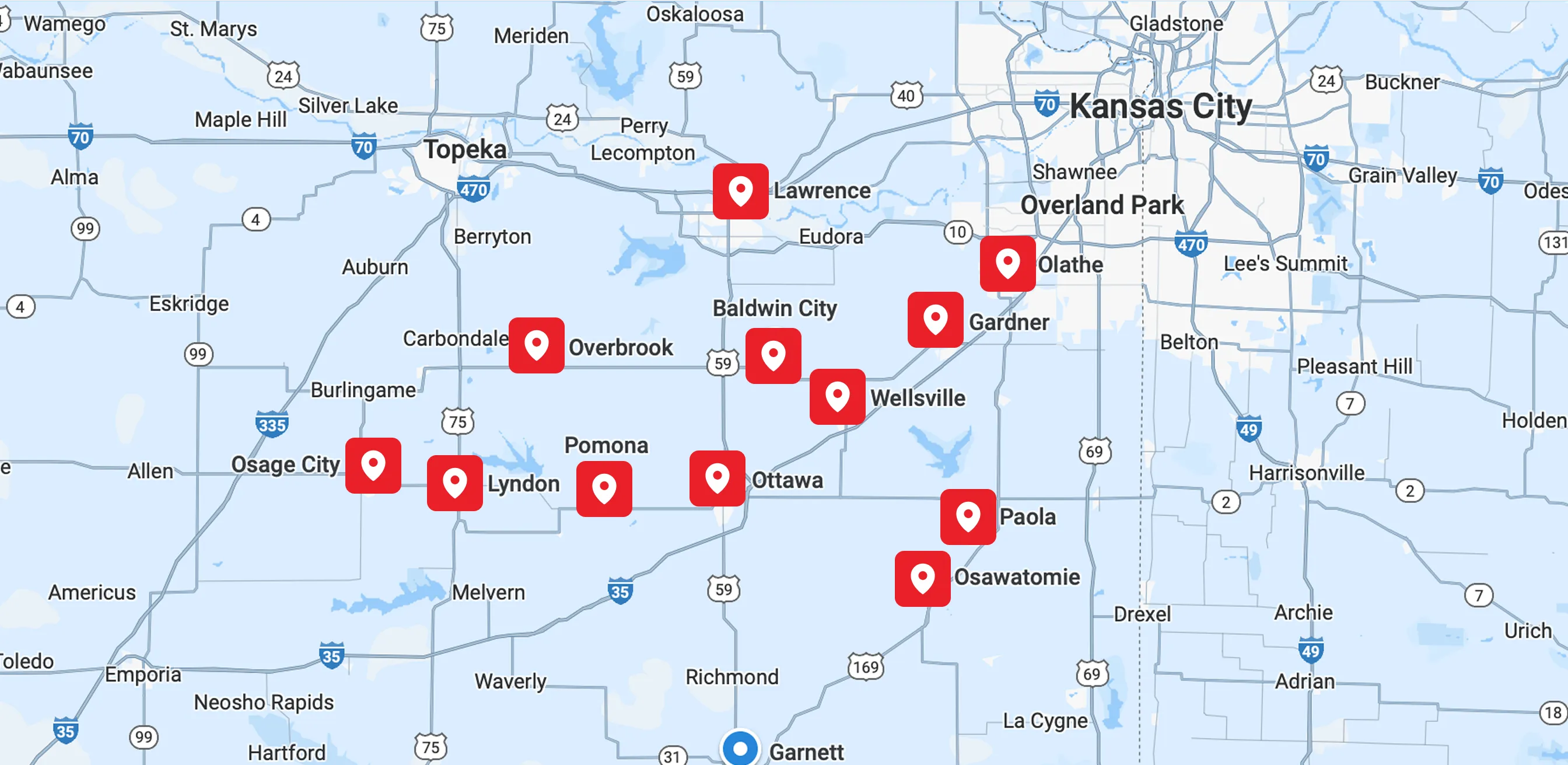
Repair providers serving Richmond commonly extend service to nearby communities such as Ottawa, Gardner, Wellsville, Paola, Olathe, and surrounding towns, offering routes that prioritize local response times.
Scheduling repairs, maintenance plans, and financing
Scheduling usually involves requesting a service visit during regular business hours (weekday availability, plus limited Saturday hours) with options for priority scheduling for maintenance plan members. Maintenance plans typically include two seasonal visits, filter changes, performance checks, and priority appointments. Financing options are often available for larger repairs or replacement projects through third-party lenders; terms and availability vary by provider.
Why timely AC repair matters in Richmond, KSPrompt repair reduces energy costs, prevents secondary damage, extends system life, and maintains indoor comfort and air quality during hot months. In humid climates like Richmond, early detection of refrigerant leaks or airflow restrictions is especially important to avoid coil freeze or compressor damage.
If you need straightforward, professional AC repair information for your Richmond home, a qualified, EPA-certified technician can diagnose the issue, explain repair and replacement options, and restore dependable cooling while protecting your system with appropriate warranties and maintenance recommendations.
Customer Testimonials
Service Areas