AC Repair in Olathe, KS
All Seasons Air Conditioning and Heating provides a comprehensive overview of professional AC repair in Olathe, KS, detailing common malfunctions, diagnostic methods, and repair options. We explain how our technicians assess refrigerant, airflow, electrical systems, and controls, then outline typical remedies, warranty considerations, and the role of OEM versus aftermarket parts. We also cover emergency response expectations, our on-site visit flow, scheduling steps, and maintenance tips to reduce breakdowns, helping homeowners understand what to expect and how to protect their investment.
.webp)
AC Repair in Olathe, KS
Keeping your home comfortable during Olathe’s hot, humid summers means a reliable air conditioner. When an AC fails, it can quickly become more than an inconvenience: higher energy bills, poor indoor air quality, and potential safety risks. This page explains professional AC repair in Olathe, KS — common problems we see in local homes, how they are diagnosed and fixed, emergency response expectations, parts and warranty considerations, technician qualifications, and what to expect when service is scheduled.
Common AC repair issues in Olathe, KS
Olathe’s climate and housing stock create a predictable set of service needs. Common AC problems include:
- No cooling or reduced cooling: Often caused by low refrigerant, restricted airflow, failing compressors, or thermostat errors. In high heat, symptoms become obvious quickly.
- Refrigerant leaks: Corrosion, vibration, and age cause leaks that reduce efficiency and damage components if not repaired.
- Compressor or capacitor failures: The compressor is the heart of the outdoor unit; capacitors provide the starting boost. Failures here typically produce no cooling and require rapid attention.
- Electrical issues and tripped breakers: Loose connections, failed contactors, and wiring faults can interrupt operation and create safety hazards.
- Frozen evaporator coils: Usually from poor airflow or low refrigerant. Ice limits cooling and can lead to water damage when it melts.
- Weak airflow or noisy operation: Clogged filters, failing blower motors, or duct leaks reduce comfort and force the system to run longer.
- Thermostat faults and control failures: Incorrect readings, outdated thermostats, or failed sensors can cause cycling, short-cycling, or no call for cooling.
How professional diagnostics work
A reliable repair begins with a systematic diagnosis to find root causes, not just symptoms. Typical diagnostic steps:
- Visual inspection of indoor and outdoor units for obvious damage, leaks, or blockages.
- Airflow testing at registers and on the indoor coil to check duct performance and filters.
- Electrical testing including voltage, amperage, and continuity checks to isolate failing components safely.
- Refrigerant pressure checks with gauges to detect leaks and confirm proper charge.
- Thermostat and control evaluation to rule out sensor or programming errors.
- Full-system run test to observe cycling, noises, temperatures, and startup behavior.
Technicians document findings and provide a clear repair plan and estimate after diagnosis so decisions are informed.
Typical repair solutions you’ll see
Matching the repair to the diagnosis avoids repeat visits. Common repairs include:
- Refrigerant leak repair and recharge with leak sealing and recovery according to EPA rules.
- Compressor or condenser motor replacement when components have failed.
- Capacitor and contactor replacement to restore reliable starts and operation.
- Blower motor or fan repairs to restore airflow and eliminate noises.
- Coil cleaning and condensate drain clearing to prevent freezes and water damage.
- Electrical repairs and safety upgrades including loose connection replacement and safety device resets.
- Thermostat replacement or recalibration for accurate control and efficiency.
Parts are matched to system make and model to maintain performance and warranty coverage.
Emergency AC repair and typical response times in Olathe
In Olathe, extreme heat and humidity can make AC failures urgent. Repairs that typically qualify as emergencies include total loss of cooling during heat waves, electrical smells or burning, and refrigerant leaks with visible pooling or severe icing. Emergency teams are commonly dispatched outside regular business hours during heat events. Typical response expectations:
- Emergency situations: Often addressed within a few hours when technicians are available locally.
- Non-emergency repairs: Usually scheduled within 24 to 48 hours depending on season and parts availability.
- After-hours availability: Many local services provide on-call support for true emergencies; exact timing varies by workload and weather events.
Seasonal demand spikes (mid-summer) can affect response windows, so documented dispatch and arrival windows are part of the scheduling process.
Parts and warranty information
Parts used for repairs fall into two categories: OEM/manufacturer parts and quality aftermarket parts. OEM parts preserve manufacturer warranties and system compatibility, while select aftermarket parts can offer cost-effective options with comparable performance.
- Manufacturer warranties typically cover new parts for a set period; coverage depends on the original equipment and age of the system.
- Service warranties on labor and replacement parts are commonly offered by professional technicians and vary by provider. Typical service warranties cover workmanship for a defined period after repair.
- Refrigerant handling follows EPA regulations; technicians document recovered refrigerant and any necessary disposal.
Technicians will explain warranty terms before performing work and provide documentation after repairs are completed.
Technician qualifications and safety practices
Qualified technicians for Olathe homes typically hold the following:
- EPA certification for refrigerant handling.
- Manufacturer factory training or product-specific certifications for brands like Amana and others.
- Formal HVAC training such as technical school, associate degrees, or accredited apprenticeship experience.
- Ongoing continuing education to stay current with refrigerants, controls, and energy-efficient systems.
- Safety protocols including lockout/tagout, proper PPE, and electrical isolation during repairs.
Technicians follow local codes and best practices to ensure safe, compliant repairs.
What to expect during an on-site visit
A professional repair visit usually follows a predictable flow:
- Technician arrives within the scheduled window and performs a safety briefing.
- Full system inspection and diagnostic testing are completed.
- A clear written estimate explains recommended repairs, parts, and any options.
- With approval, repairs are performed and the system is tested under load.
- The technician documents the work, explains what was done, and leaves the system in clean condition.
Clear documentation and before/after testing help validate repairs and warranty coverage.
How scheduling typically works
Scheduling for AC repair generally follows these steps:
- Issue triage to determine emergency vs. standard service.
- Appointment assignment with an arrival window and technician profile.
- On-site diagnostic visit followed by a written repair estimate.
- Repair authorization and parts ordering if needed.
- Completion of repair and post-service verification.
During high-demand periods, parts availability may extend timelines; technicians will provide options for temporary measures when appropriate.
Why timely AC repair matters in Olathe
Prompt repair protects comfort, reduces energy costs, and prevents larger failures. Fixing issues early:
- Restores efficient operation and lowers monthly bills.
- Prevents secondary damage like frozen coils, water leaks, or motor burnout.
- Extends the life of your existing system and avoids premature replacement.
- Improves indoor air quality during pollen-heavy spring and summer months.
Maintenance tips to reduce breakdowns in Olathe
Simple homeowner steps reduce repair needs between professional Tune-Ups:
- Change or clean filters regularly during cooling season.
- Keep the outdoor condenser clear of debris and vegetation.
- Shade the outdoor unit when possible without restricting airflow.
- Use programmable thermostats wisely to avoid excessive cycling.
- Schedule annual professional maintenance before summer peaks.
Timely preventive care and professional repairs together keep Olathe homes comfortable and energy efficient throughout the year.
If you need service in Olathe, expect a clear diagnostic, transparent repair options, qualified technicians, and documented warranties that protect your home and your investment.
Customer Testimonials
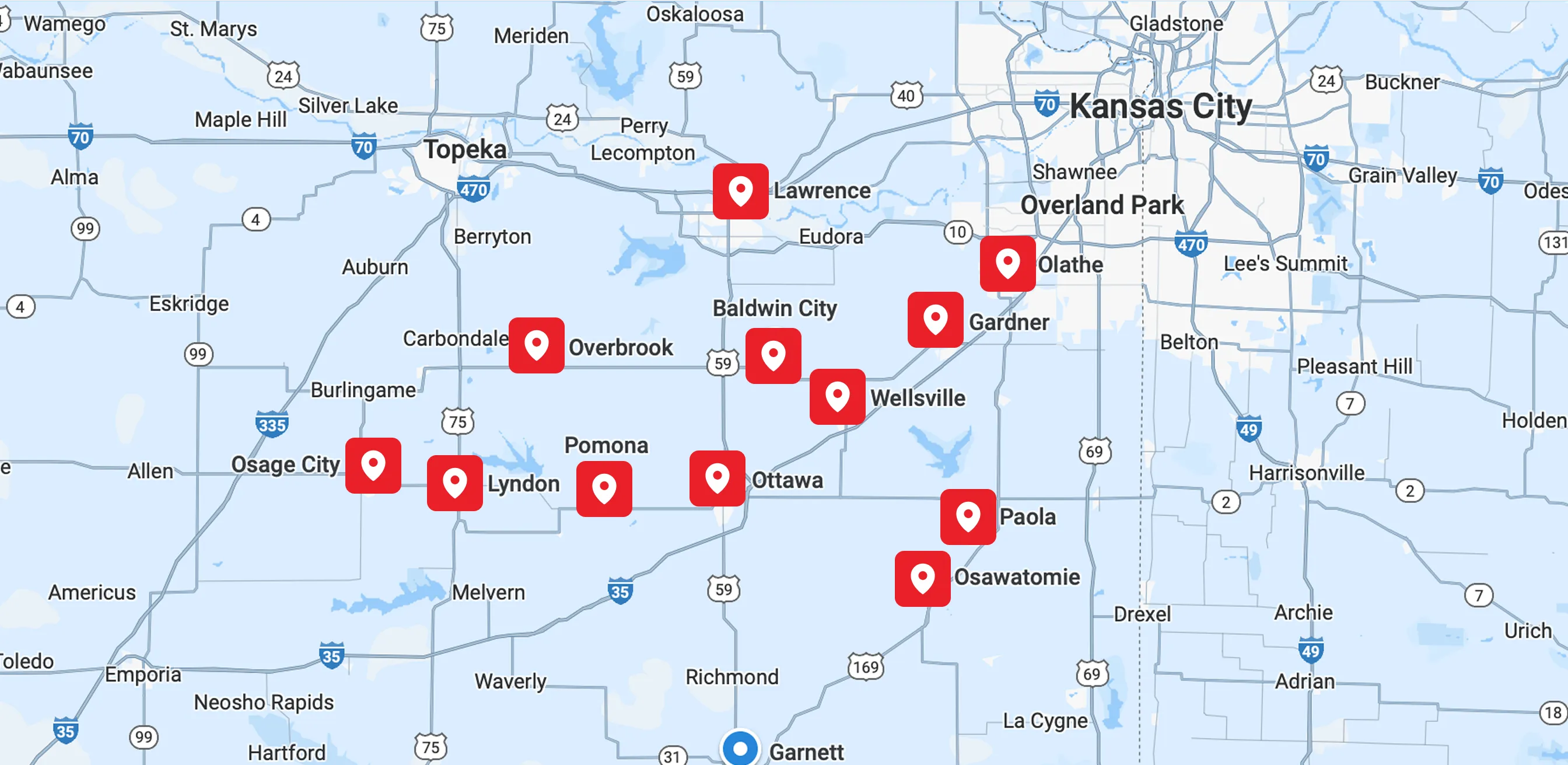
Service Areas