AC Repair in Lawrence, KS
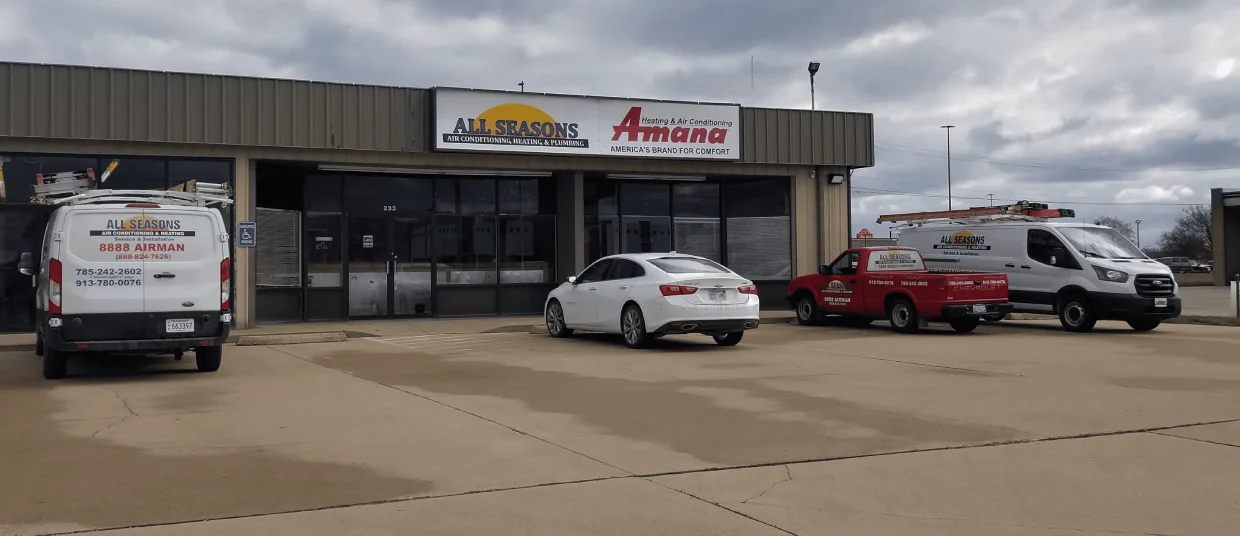
When your AC needs attention in Lawrence, KS, our focus at All Seasons Air Conditioning and Heating is on delivering fast, accurate diagnoses, safe operation, and efficient restoration for both residential and light-commercial units. We'll walk you through common problems, our step-by-step diagnostic process, and transparent repair options, including clear pricing for parts and labor. We also cover warranties and thorough testing to ensure everything is working perfectly. Need help fast? We offer emergency options and always adhere to strict safety standards with our EPA-certified technicians. We'll even give you practical tips to prepare for our service call. With us, you can expect reliability, energy efficiency, and minimal downtime, helping you understand exactly what to expect from scheduling through final verification and follow-up care.
.jpeg)
AC Repair in Lawrence, KS
Keeping your home or small business comfortable through Lawrence’s hot, humid summers and unpredictable storm season means having an AC system that performs reliably. Residential and light-commercial air conditioner repair in Lawrence, KS focuses on diagnosing common faults quickly, restoring safe operation, and preserving system life and efficiency. This page explains typical problems we see in Lawrence homes and businesses, how repairs are diagnosed and completed, warranty and testing practices, parts and labor approaches, emergency response options, and what to expect when you schedule a service call.
Why timely AC repair matters in Lawrence, KS
Lawrence experiences high summer temperatures and persistent humidity that make efficient cooling essential. Higher humidity increases compressor workload and can accelerate refrigerant loss and corrosion. Frequent storms and power fluctuations in the area also contribute to electrical component failure and control board damage. Prompt repair reduces energy costs, prevents larger failures (like compressor burnout), and helps maintain indoor air quality—important for homes, rental properties near the university, and small businesses downtown.
Common AC problems we diagnose
Residential and light-commercial units in Lawrence typically show these issues:
- Compressor failure or abnormal cycling — signs include short cycling, loud noises, or no cooling. Causes range from electrical stress to refrigerant starvation.
- Refrigerant leaks — reduced cooling capacity, ice on evaporator coils, and higher pressures on the condenser side.
- Electrical failures — blown fuses, failed contactors, bad capacitors or relays, and damaged control boards often caused by power surges during storms.
- Blower or motor issues — weak airflow, noisy operation, or intermittent blower function due to worn motors, bearings, or clogged blower wheels.
- Thermostat and control problems — incorrect setpoints, wiring faults, or sensor failures causing improper cycling.
- Condenser and airflow blockages — debris, vegetation, or corroded fins restricting outdoor unit performance.
Step-by-step diagnostic and repair process
The diagnostic and repair workflow is designed to be systematic, transparent, and safety-first:
- Initial assessment and symptom collection — technician confirms symptoms, system make/model, and recent events (storms, noises, smell).
- Safety and power checks — verify disconnects, breakers, and safe working conditions before touching controls.
- Visual and mechanical inspection — examine condenser, evaporator, filters, ductwork access, and mounting; look for leaks, rust, and obstruction.
- Electrical testing — measure voltages, continuity, capacitor health, contactor operation, and control signals.
- Refrigeration system checks — measure suction and discharge pressures, superheat/subcooling where applicable, and check for oil or dye indicating leaks.
- Airflow and temperature diagnostics — verify blower performance, duct pressure, and delta-T (temperature drop across the evaporator).
- Estimate and options — explain findings, repair options, parts needed, and likely outcomes; provide clear explanation of flat-rate vs. time-and-materials pricing choices.
- Authorized repair and replacement — perform repairs with approved parts, reinstall, and ensure proper refrigerant charge and electrical connections.
- Startup and validation — run the system through cycles, confirm operating pressures, temperatures, and noise levels.
- Cleanup, documentation, and follow-up testing — leave a work summary, parts list, and results of performance testing; schedule or recommend a follow-up check if needed.
Parts, labor, and pricing approaches
Repairs typically include both parts and labor. Two common pricing methods are used:
- Flat-rate pricing — a predetermined price for a specific repair or replacement. Benefits include predictable cost and clearer comparison shopping. Flat rates work well for common, well-defined repairs such as replacing capacitors, contactors, or motors.
- Time-and-materials (T&M) — billed for technician hours and parts used. T&M is often necessary for complex diagnostics, hard-to-access systems, or when parts availability is uncertain.
Parts can be OEM (original equipment manufacturer) or high-quality aftermarket components. OEM parts generally match factory specifications and warranty expectations while aftermarket parts can provide cost savings. Labor warranties and parts warranties are documented so customers know what is covered and for how long.
Emergency response and temporary measures
Lawrence homes and businesses sometimes need urgent service—especially during heat waves or after storms. Emergency response options typically include:
- After-hours dispatch for critical failures that risk health or safety.
- Priority scheduling for small commercial accounts and rental properties.
- Temporary cooling measures such as enabling alternate zones, recommending portable units, or isolating a failed compressor to restore partial cooling until a full repair can be completed.
Emergency technicians will perform triage to make the space safe and provide an immediate plan for permanent repair.
Technician qualifications and safety
Technicians working on refrigerant systems are EPA certified and trained in modern refrigeration practices. Certification ensures legal and safe handling of refrigerants, leak detection protocols, and environmental compliance. Technicians also follow local electrical codes, use personal protective equipment, and adhere to industry best practices for safe diagnosis and repair.
Warranty, testing, and verification
After repairs, thorough testing is done to verify system performance:
- Leak testing and repair verification when refrigerant work has been performed.
- Operational validation (running cycles, measuring delta-T, and checking starting currents).
- Documentation of parts and labor and any manufacturer part warranty details.Warranties may include short-term labor guarantees and manufacturer warranties on parts; documentation clarifies coverage and next steps if the same issue recurs.
What to prepare when scheduling a service call
When arranging a repair visit in Lawrence, helpful information includes:
- System make, model, and age (found on the outdoor unit nameplate)
- A clear description of symptoms and when they started
- Recent events (storms, outages, maintenance history)
- Whether the property is residential or light-commercial and any access constraints
Appointments are typically scheduled during normal business hours, with emergency options available outside those hours for pressing situations.
Benefits of prompt, professional repairs
Timely, qualified AC repair restores comfort, improves energy efficiency, extends equipment life, and reduces the risk of costly replacements. For Lawrence properties—where humidity and storms are seasonal realities—addressing small problems quickly prevents escalation and keeps systems running reliably when you need them most.
Customer Testimonials
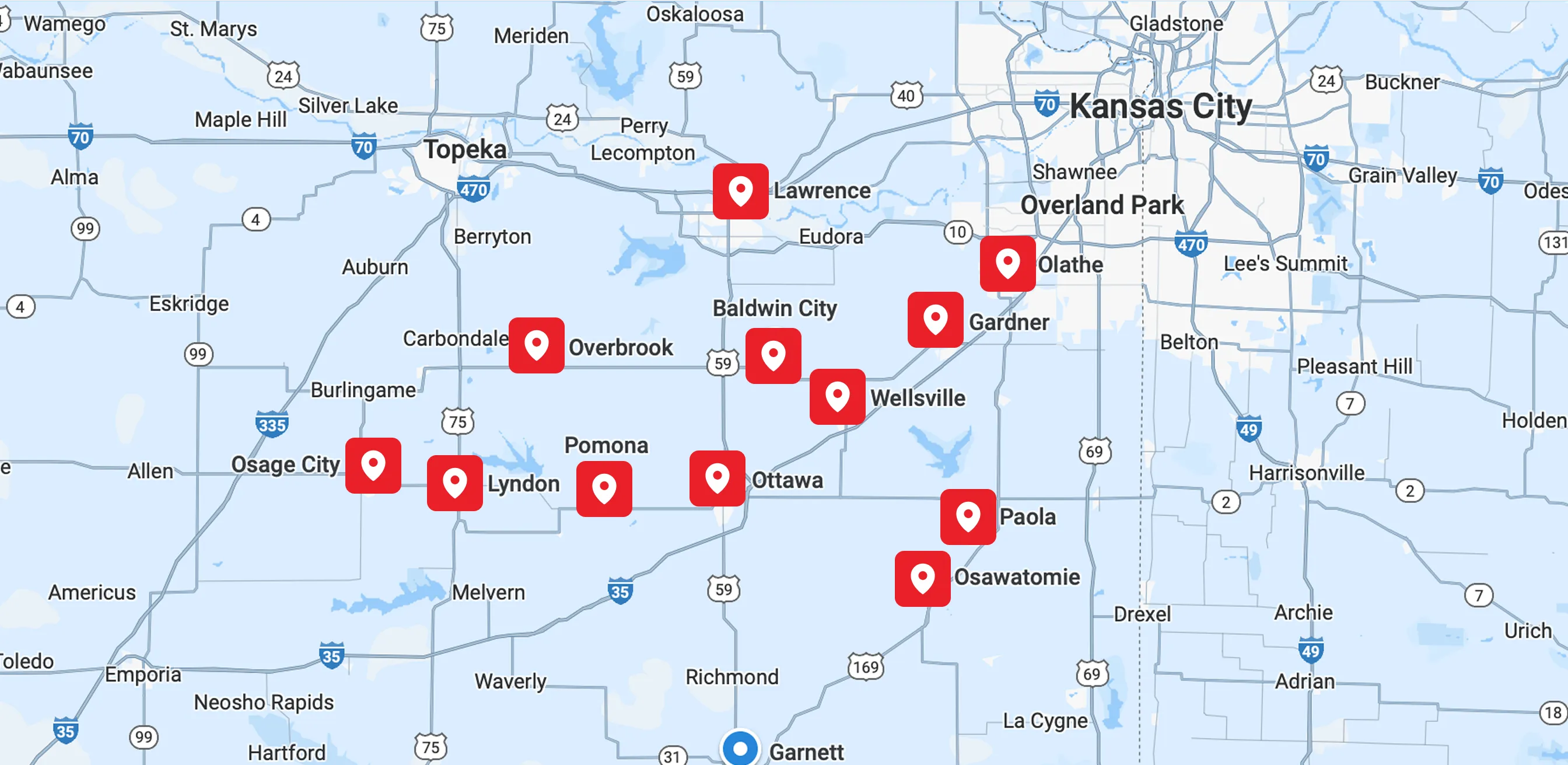
Service Areas