AC Installation in Princeton, KS
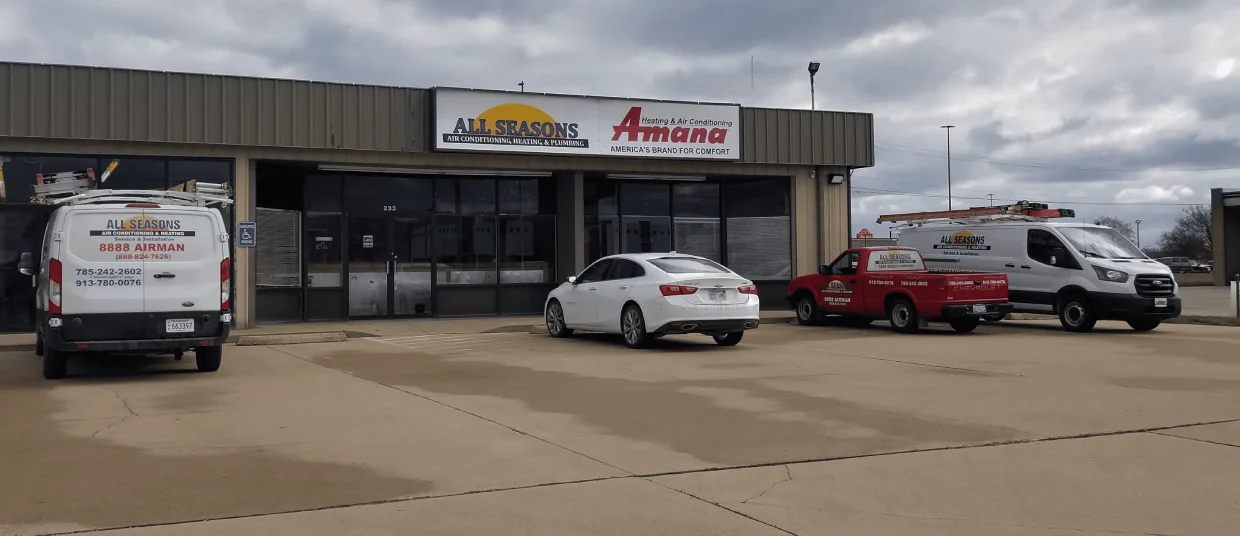
All Seasons Air Conditioning and Heating outlines the comprehensive AC installation process for Princeton, KS, from initial consultation to post-installation testing. We explain how our professionals determine correct system capacity with Manual J calculations, inspect ductwork, select high-efficiency equipment, and ensure code-compliant electrical and refrigerant work. You'll learn what to expect during installation, including site preparation, proper unit placement, and condensate management, followed by commissioning, warranty registration, and long-term maintenance to maximize comfort, energy efficiency, and system reliability in Princeton’s climate.
AC Installation in Princeton, KS
Installing a new air conditioner is one of the most important investments you can make for comfort, energy savings, and indoor air quality in Princeton, KS. With hot, humid summers and a wide temperature swing through the seasons, Princeton homes need correctly sized, well-installed cooling systems to maintain consistent comfort and control energy costs. This page explains the full new air conditioner installation process, common issues we see in Princeton, and what to expect from a professional installation that meets safety, code, and manufacturer-warranty requirements.
Why a proper AC installation matters in Princeton, KS
- Princeton’s summer humidity increases cooling load and run times, so an improperly sized unit will short cycle or struggle to dehumidify.
- Older homes in the area often have undersized or leaky ductwork, uninsulated attics, or dated electrical panels that affect performance and safety.
- A correctly performed installation maximizes efficiency, reduces long-term operating costs, and protects manufacturer warranties.
Common AC installation types for Princeton homes
- Central split system (outdoor condensing unit + indoor evaporator coil) — the most common for single-family homes.
- Packaged rooftop or ground-mounted systems — used where indoor space is limited.
- Ductless mini-split systems — ideal for additions, historic homes without ducts, or room-by-room zoning.
- Heat pump installations — provide both cooling and efficient heating for moderate climates; consider for homes seeking year-round efficiency.
Initial consultation and site assessment
The installation process begins with a thorough consultation and on-site assessment tailored to Princeton homes:
- Review of comfort issues, utility bills, and any past HVAC problems.
- Measurement and inspection of the home layout, attic, crawlspace, duct paths, and condenser pad location.
- A Manual J load calculation to determine the correct system capacity based on square footage, insulation, window types, orientation, and local climate conditions.
- Electrical panel check to ensure breakers and wiring meet the new unit’s requirements.This step eliminates guesswork and prevents oversized or undersized systems that lead to poor comfort and higher costs.
Ductwork inspection and recommendations
Duct condition is critical in the Princeton area where older homes often have compromised duct systems:
- Inspect for leaks, disconnected runs, undersized trunks, or inadequate supply and return placement.
- Measure static pressure and airflow to verify ducts can handle the selected equipment.
- Recommend repairs, sealing, insulation, or partial redesign when needed to ensure balanced cooling and efficient operation.Proper ductwork work is often the difference between a system that performs and one that wastes energy.
Equipment selection guidance
Choosing the right equipment involves matching capacity, efficiency, and features to your home:
- Capacity: Based on Manual J results, not rule-of-thumb sizing.
- Efficiency: Look at SEER ratings for cooling efficiency; higher SEER improves long-term energy savings in Princeton’s hot summers.
- Staging and controls: Single-stage vs two-stage vs variable-speed compressors affect comfort, humidity control, and noise.
- Matched components: Indoor coil and outdoor condensing unit must be matched to ensure efficient refrigerant charge and performance.
- Air quality and controls: Consider upgraded filtration, UV, and smart thermostats for improved comfort and energy management.
- Warranties: Compare manufacturer parts and compressor warranties and review registration requirements.
Installation procedures: what the crew does
A professional installation follows a systematic, code-compliant process:
- Site preparation: level and pour or set a condenser pad, clear work areas, and protect landscaping and interior finishes.
- Mounting and placement: position outdoor unit for airflow and service access; install indoor coil in the air handler or furnace cabinet.
- Refrigerant lines: run insulated suction and liquid lines with proper slope and secure fastening; perform nitrogen purge or vacuum procedures per manufacturer guidelines.
- Electrical: install breakers, disconnects, and wiring sized to code; connect control wiring and thermostats.
- Condensate management: install drain lines, traps, and overflow protection to prevent water damage.
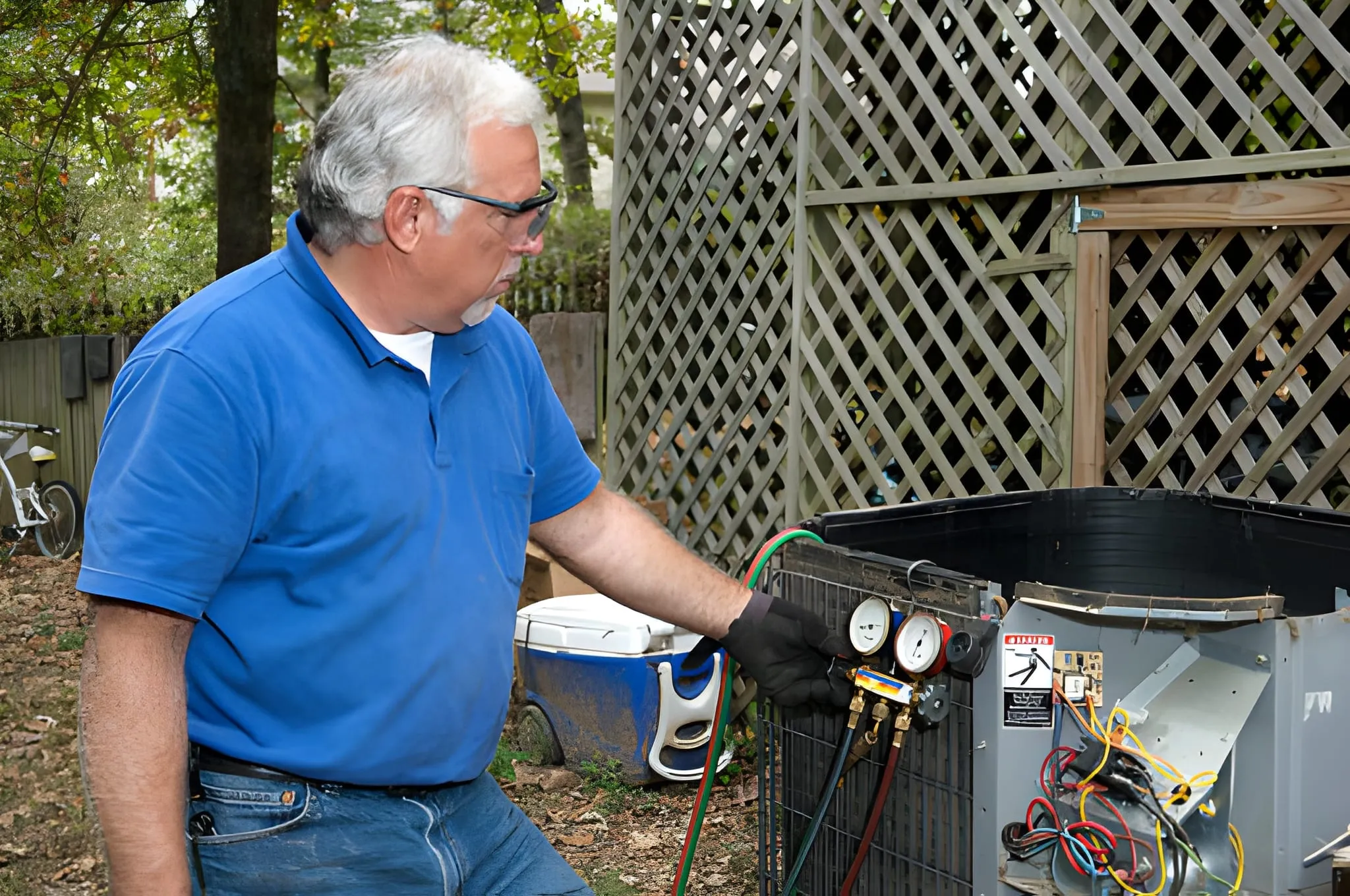
- Startup and charge: verify refrigerant charge and pressures, test compressor operation, and confirm proper airflow and static pressure.Every step is documented to meet code requirements and warranty conditions.
Safety, permits, and code compliance
Installations in Princeton must adhere to local codes and federal regulations:
- Obtain required permits when applicable and schedule inspections.
- EPA-certified technicians must handle refrigerants and recovery procedures.
- Electrical work follows National Electrical Code and local amendments; gas responsibilities coordinated for systems connected to furnaces.Ensuring compliance protects your home, avoids costly rework, and preserves warranty coverage.
Post-installation testing and system commissioning
A complete commissioning sequence confirms the system operates as designed:
- Verify correct refrigerant charge and superheat/subcooling per manufacturer specs.
- Measure supply/return temperatures and airflow to ensure proper CFM.
- Check thermostat calibration, control stages, and safety devices.
- Perform system balancing and brief homeowner walkthrough of operation and maintenance needs.Documentation of results and final equipment labels are provided for warranty and service history.
Manufacturer warranties and documentation
New systems include manufacturer warranties for parts and compressors, often with varying terms:
- Register the equipment per manufacturer instructions to activate extended coverage where applicable.
- Understand maintenance obligations required to keep warranties valid, such as annual professional Tune-Ups and filter replacement schedules.
- Retain installation records, load calculations, and commission reports in case of future warranty claims.
Benefits and long-term maintenance advice
A properly installed new air conditioner delivers:
- Improved comfort with consistent temperatures and better humidity control.
- Lower energy bills through matched components and correct sizing.
- Longer equipment life and fewer service calls.To protect your investment in Princeton’s climate, schedule regular maintenance visits, change filters quarterly or per system needs, seal and insulate ducts, and keep the outdoor unit clear of vegetation and debris.
ConclusionAC installation in Princeton, KS requires attention to local climate, home construction, and code requirements to achieve lasting comfort and efficiency. A structured process — from consultation and load calculation through duct evaluation, professional installation, commissioning, and warranty registration — ensures your new cooling system performs reliably in Princeton’s hot, humid summers and through seasonal temperature swings.
Customer Testimonials
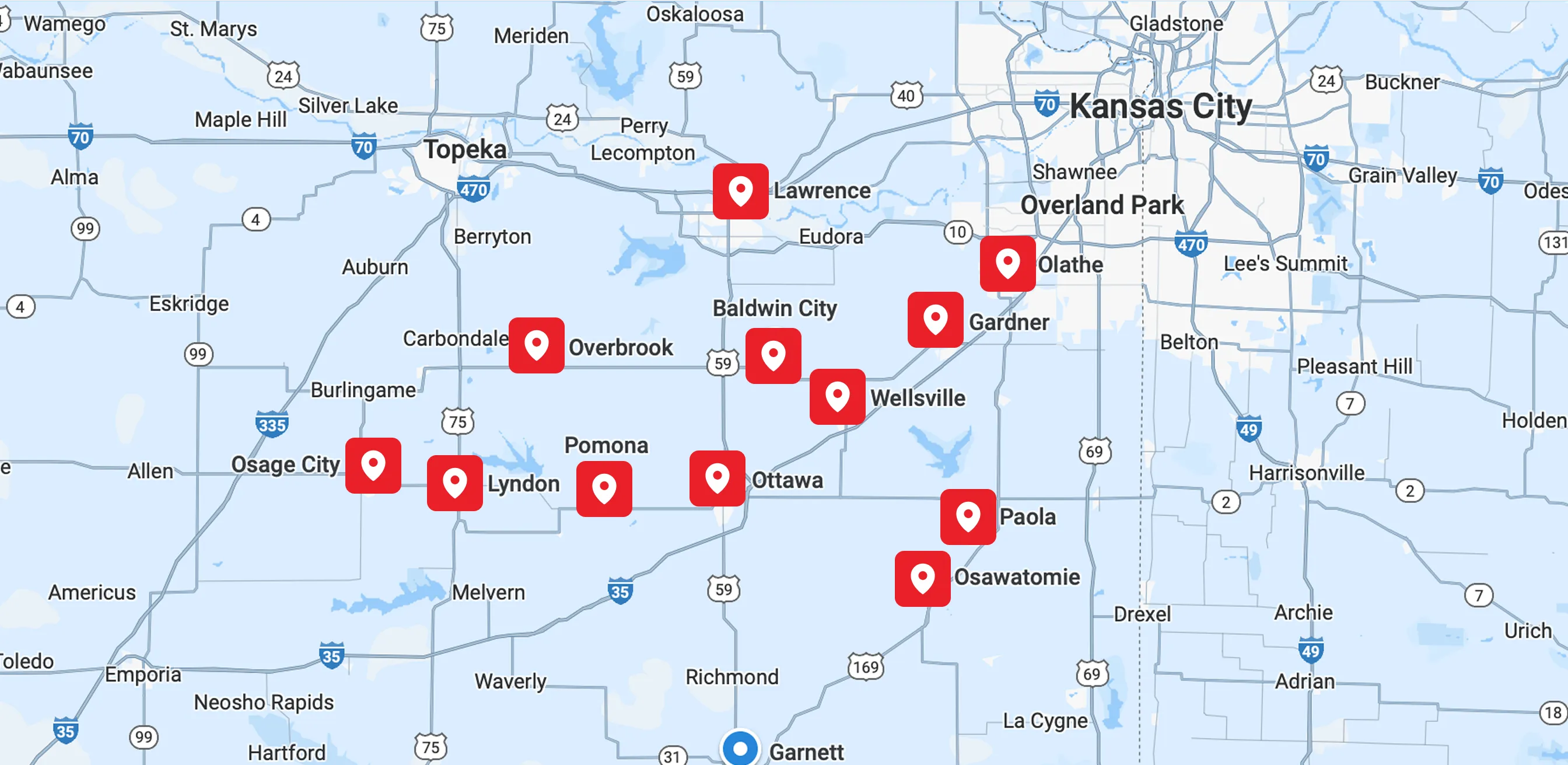
Service Areas